Batch Picking vs Zone Picking for Small Warehouses
The Question I Get Asked Every Single Week
You know what kills warehouse efficiency faster than anything? Picking the wrong order fulfillment method and not realizing it until you're six months deep with a team that's burned out and a floor that's chaos.
Batch picking vs zone picking for small warehouses isn't just an academic debate. It's a decision that directly hits your labor cost, your error rate, and how fast orders actually leave your dock. I've seen both methods work beautifully — and I've seen both get implemented so badly they cost operations real money.
Let me break this down the way I'd explain it to a warehouse supervisor over a cup of coffee.
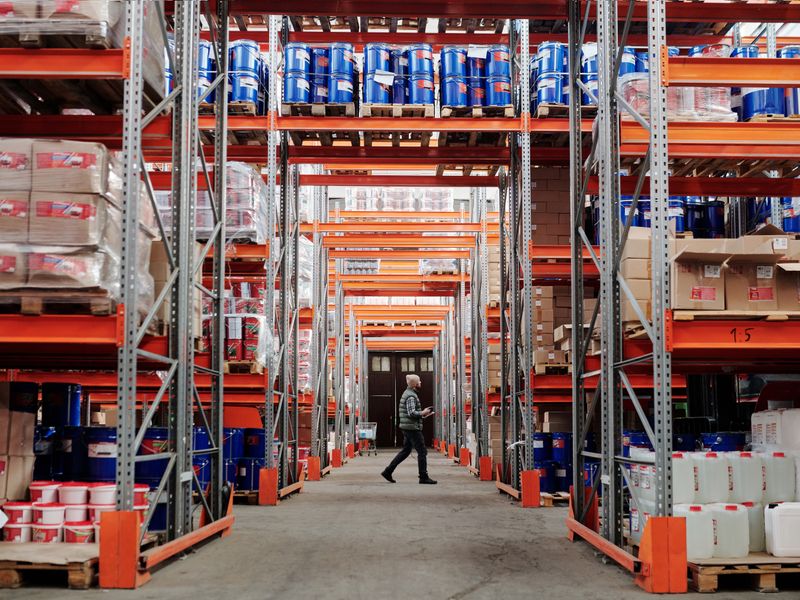
What Each Method Actually Means (No Textbook Fluff)
Batch Picking: One Person, Multiple Orders
Batch picking means a single picker grabs items for multiple orders in one trip through the warehouse. Instead of walking the floor for Order A, going back, then walking again for Order B, they pick 10 orders at once.
The math is simple. If your floor is 40,000 sq ft and you've got 200 orders a day, every unnecessary walk costs you money. We had a client in Doral who cut their pick travel time by 34% just by switching to batch picking — went from 11 pickers on a shift to 8, same throughput.
Batch picking works best when: - Your SKU count is manageable (under 3,000 active SKUs) - Orders are relatively small (1-5 lines each) - Your team can handle cart management without constant collisions - You've got decent pick path logic set up in your WMS
Zone Picking: Everyone Owns Their Section
Zone picking assigns each picker a fixed area of the warehouse. Order comes in, gets split by zone, each picker grabs their portion, and the order gets consolidated at pack.
Honestly, I've never seen zone picking fail when it's matched to the right operation. The key word there is *matched*. Zone picking shines when you've got high SKU velocity variance — meaning some zones are busy all day and others barely get touched. You staff accordingly.
The downside nobody talks about? Consolidation. If your consolidation point is poorly designed, zone picking creates a bottleneck that eats back every minute you saved on the floor. I've watched $180,000 conveyor systems become expensive parking lots because nobody thought through the merge logic.

So Which One Wins for Small Warehouses?
The reality is, for most operations under 50,000 sq ft doing under 500 orders a day, **batch picking vs zone picking for small warehouses** breaks down like this:
**Lean toward batch picking if:** - You're running a lean crew (under 15 pickers) - Order profiles are similar in size and SKU mix - You don't have the floor space to create meaningful zones - Your WMS can generate efficient batch pick lists (SprintWMS does this well — the batch grouping logic saved one of our clients about 22 minutes per shift)
**Lean toward zone picking if:** - You've got distinct product families with different storage requirements (refrigerated vs ambient, for example) - Your fastest-moving SKUs are concentrated in one part of the building - You can actually staff zones without leaving any dead during peak hours
Here's the thing nobody wants to say out loud: most small warehouses don't have the order volume to justify true zone picking. You end up with pickers standing in zones waiting, which is just structured inefficiency with a fancier name.
Hybrid Picking: The Real Answer for Most Ops
Last month we ran the numbers for a client moving 380 orders a day out of a 28,000 sq ft facility in Medley. Pure zone picking left them with two zones consistently overstaffed. Pure batch picking created cart congestion near the main aisle.
The fix? Batch picking for the slow-moving B and C SKUs in the back half of the warehouse, zone picking for the fast-moving A SKUs up front. Throughput went up 19% in six weeks. Labor cost dropped by roughly $4,200 per month.
SprintWMS made this hybrid setup manageable because it lets you configure pick methods by zone independently — you're not locked into one approach for the whole floor. That flexibility matters more than people realize until they're stuck with a rigid system.

The Numbers You Need Before You Decide
Don't just pick a method because it sounds right. Pull these metrics first:
1. **Average lines per order** — Under 3 lines favors batch; over 8 lines favors zone 2. **Pick path distance per order** — If your average picker walks more than 0.4 miles per order, batch is likely your problem 3. **Error rate by picker vs by SKU location** — Errors that cluster by location suggest zone accountability would help 4. **Peak hour bottlenecks** — Congestion at pack usually means your batch sizes are too large; congestion on the floor means zones are imbalanced
We had a 3PL in Hialeah tracking $47,000 in annual re-ship costs from pick errors. After auditing, 80% of errors came from three specific aisles. Zone picking with dedicated, trained pickers in those aisles cut errors by 61% inside 90 days.
What I'd Actually Recommend
If you're wrestling with batch picking vs zone picking for small warehouses right now, start with batch. It's easier to implement, cheaper to train, and gives you real data on where your floor breaks down. Then use that data to decide if zones make sense.
And get a WMS that gives you both options. SprintWMS, Manhattan, even a well-configured HighJump setup — whatever fits your budget, make sure you're not locked into one picking method by the software.
The floor will tell you what it needs if you're tracking the right numbers.
---
**Want a quick assessment of whether batch or zone picking fits your current operation?** Reach out for a free 30-minute consultation. We'll look at your order profile, floor layout, and staffing mix — and give you a straight answer, not a sales pitch.