Caribbean Shipping Route Optimization: Stop Guessing
You know what kills a Caribbean freight operation faster than anything? Treating it like domestic shipping with extra steps. I've been running freight through the Caribbean basin since 2009 and I promise you — Caribbean shipping route optimization is its own discipline. It's not something you figure out from a rate sheet.
Let me tell you how we actually do this.
The Caribbean Isn't One Market. Stop Treating It Like One.
I had a client out of Doral who was consolidating shipments for Trinidad, Barbados, and Guyana all under one routing plan. Same transit times, same carrier, same weekly cut-off. They were losing about $31,000 per quarter in demurrage and missed delivery windows. The problem wasn't their rates. It was their thinking.
Caribbean shipping route optimization means understanding that Port of Spain, Bridgetown, and Georgetown operate in completely different rhythms. Trinidad's volume comes with customs complexity. Barbados has port congestion that spikes between October and January. Guyana's Georgetown port has draft restrictions that reroute a lot of cargo through Trinidad anyway.
You can't cookie-cutter this region.
The Hub-and-Spoke Reality Down Here
Here's the thing — most intra-Caribbean routing runs through two or three main transshipment hubs: Kingston (Jamaica), Port of Spain, and increasingly Freeport in the Bahamas for US-origin cargo. If you're not building your Caribbean shipping route optimization strategy around those nodes, you're paying more and waiting longer than you need to.
We restructured a perishables client's routing in 2022 to use Kingston as a feeder hub for Eastern Caribbean drops. Cut their average transit from 14 days to 9. That's not a small deal when you're moving temperature-sensitive goods.
Carrier Selection Is Where Most People Blow It
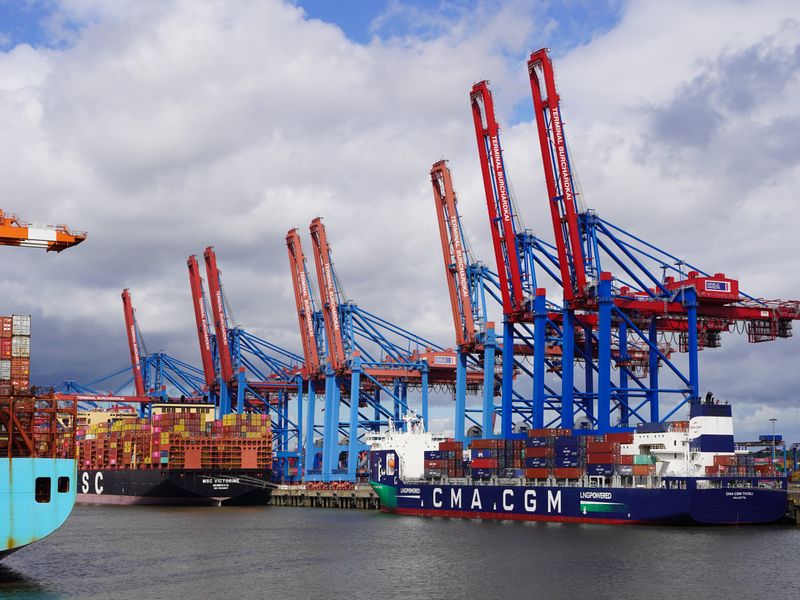
There are really only a handful of carriers doing consistent Caribbean service at volume — CMA CGM, King Ocean, Crowley, Seaboard Marine. Each one has different strengths depending on your origin port and destination island.
Crowley is solid for Puerto Rico and USVI out of Jacksonville. King Ocean is strong for Eastern Caribbean from Miami. Seaboard owns the Dominican Republic corridor. Caribbean shipping route optimization starts with matching your cargo flow to the right carrier's actual service schedule — not just whoever gave you the best spot rate last Tuesday.
I've seen companies chase a $200 rate saving only to sit cargo for 8 extra days because they booked with a carrier who only calls their destination port every two weeks. Do the math on that warehousing cost.
What a WMS Actually Helps You Track Here
Honestly, this is where a solid WMS becomes critical. We implemented SprintWMS for a 3PL client handling multi-island Caribbean distribution last year. The thing that changed the game for them was carrier ETD/ETA visibility integrated directly into outbound planning. They stopped building pick schedules based on gut feel about sailing dates.
SprintWMS let them set route-specific lead time rules per destination island. Barbados got a 12-day buffer built in automatically. Guyana got 16. The system flagged orders that were cutting it close before the team even looked at a manifest. That's Caribbean shipping route optimization at the operational level — not just the strategic one.
The Numbers You Need to Know Before You Route Anything
Stop routing Caribbean freight without having these locked down first:
- **Sailing frequency per lane**: Is your carrier calling that port weekly, bi-weekly, or monthly?
- **Transshipment add-time**: Hub connections add 2-5 days minimum. Budget it.
- **Port cut-off lead times**: Caribbean ports run tight. Missing a cut-off by 2 hours means waiting for the next sailing.
- **Customs clearance average by island**: Trinidad averages 3-4 days. Some smaller islands can hit 7-10 days during peak season.
- **Local delivery capacity**: Who's doing the final mile after port clearance? This breaks more shipments than the ocean leg ever does.
We ran the numbers last month for a client comparing direct service to Barbados versus transshipment through Trinidad. Direct looked faster on paper — 9 days versus 12. But direct only sailed twice a month. The transshipment option sailed weekly. Average actual delivery time? The transshipment lane won by 1.8 days on average because cargo wasn't sitting waiting for a vessel.
That's the kind of analysis that real Caribbean shipping route optimization requires.
SprintWMS and Real-Time Route Adjustments
One thing I'll say about SprintWMS specifically — their integration with carrier APIs means when a vessel gets delayed (and they do, especially during Atlantic storm season), the system flags affected outbound orders before your customer's asking where their stuff is. We had a client in August 2023 reroute $180,000 worth of electronics through an alternate carrier when their primary vessel got diverted. Zero missed customer commitments. That's the value of having route optimization baked into your WMS, not managed on spreadsheets.
Stop Routing by Habit
The biggest enemy of Caribbean shipping route optimization isn't bad carriers or port delays. It's routine. Teams get comfortable with "we always ship Tuesday via carrier X" and stop questioning whether that's still the right answer.
Review your Caribbean lanes quarterly. Check sailing frequencies. Check your actual vs. promised transit data. Talk to your forwarder about what's shifting — nearshoring activity out of Central America is already changing feeder vessel capacity on several lanes.

The region is moving. Your routing strategy needs to move with it.
---
**Want a Caribbean shipping route optimization audit for your operation?** We've done this for 3PLs, importers, and distributors across the basin. Reach out for a free 30-minute consultation — we'll tell you exactly where you're leaving time and money on the table.