Don't Backtrack: Boost Efficiency with Wearable Scanner Tech Adoption
Look, I've been in warehouses for a long time. Over 15 years, managing 3PLs in Miami, dealing with everything from frozen fish going to the Caribbean to electronics for local distribution. And one thing is always true: your team's efficiency makes or breaks your margins. You know what kills warehouse efficiency faster than anything? Clunky, slow, old-school equipment. Seriously. It's a silent killer.
The Handheld Hassle
We all started with those heavy, brick-like handheld scanners, right? Big, cumbersome things that required two hands, or one hand constantly dropping stuff to pick up the scanner, then dropping the scanner to pick up a box. It’s a dance that costs minutes. Those minutes add up to hours. Hours add up to days of lost productivity across a team, and that hits your bottom line hard. I've personally seen teams lose what felt like an extra person's worth of output just from constantly putting down and picking up traditional scanners.
We had a client in Doral, a small apparel distributor, pulling 300 orders a day. Their pickers were averaging 80 picks an hour. After we pushed for **wearable scanner tech adoption**, that jumped to 110. That's a 37% increase, just by freeing up their hands. Think about that for a second. That's real money.
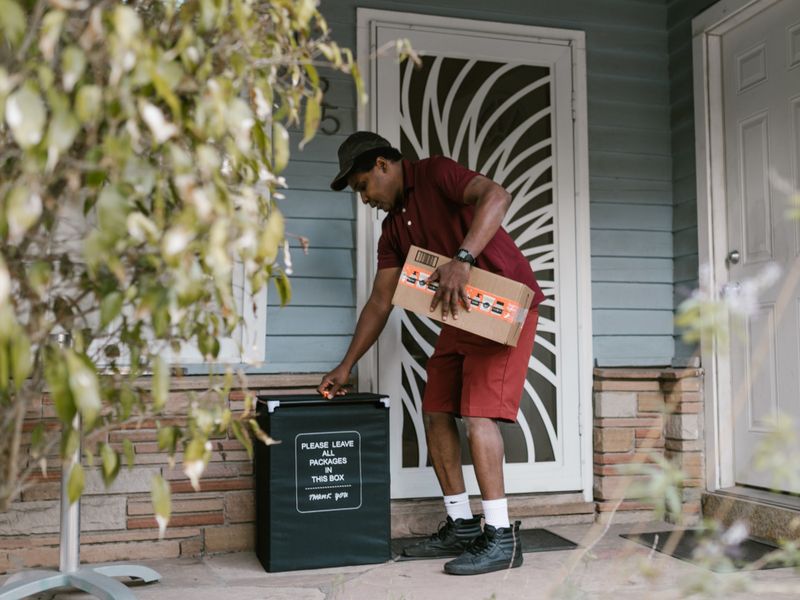
The Freedom Factor
Here's the thing about wearable scanners: they're not just a fancy gadget. They're a fundamental shift in how your team interacts with inventory. You've got a ring scanner on your finger or a wrist-mounted device with a small screen. Your hands are free. Completely free. That means:
- **Faster picking:** Grab a product, scan it instantly, put it in the cart. No fumbling.
- **Fewer errors:** Less chance of picking the wrong item when the scan is immediate and confirmed on a wearable display.
- **Improved safety:** Two hands on a box is safer than one. Less dropping, less strain.
Honestly, it's a no-brainer for most operations. Especially during peak season when every second counts. Last holiday season, our Miami warehouse moved over 10,000 pallets in three weeks. We couldn't have hit those numbers without our team having both hands free for stacking and wrapping. The **wearable scanner tech adoption** was a game changer for throughput.
More Than Just Scanning
It's easy to just think about the scan itself. But modern wearable systems integrate directly with your WMS. We used SprintWMS, and it was seamless. The picker gets their next task directly on their wrist, confirms the item, gets immediate feedback. Plus, you can often add voice picking capabilities to these too, taking efficiency another step further.
Let's be real, a big part of successful **wearable scanner tech adoption** is the training. Some folks are hesitant to change. They're used to their old ways. But once they feel the speed and comfort, they're usually sold. It's like going from a flip phone to a smartphone for some of these guys. It just makes their job easier.

The ROI is Real, Folks
I've seen the numbers. I'm not blowing smoke here. We estimated a 15-20% increase in picking speed within the first month of full **wearable scanner tech adoption** in one of my previous operations. That's huge. That translates to less overtime, fewer staff needed for the same volume, or more volume handled with the same staff. And it slashes mispicks. We cut mispicks by 0.5% in one quarter, which might sound small, but when you're moving a million units, that's 5,000 fewer errors. At $10-$20 an error for returns, reships, and admin, that's $50,000 to $100,000 saved. You can pay for a lot of wearable scanners with that.
My advice? Don't look at the upfront cost as an expense, look at it as an investment. SprintWMS, for example, integrates these tools beautifully. It's not just about the hardware; it's about the entire ecosystem working together to make your operation lean and mean.
Picking the Right Tech
There are a few key things to consider when you're looking at **wearable scanner tech adoption**:
1. **Ergonomics:** Is it comfortable for an 8-10 hour shift? Does it fit various hand sizes? 2. **Durability:** Warehouses are rough. Will it survive drops and bumps? 3. **Integration:** Does it play nice with your current WMS? If not, is your WMS vendor ready to adapt? 4. **Battery Life:** You don't want pickers running out of juice midday. Get something that lasts a full shift, easily. Or has swappable batteries.
Look for options that offer clear haptic feedback or visual cues for successful scans. That instant confirmation is vital for confidence and speed.
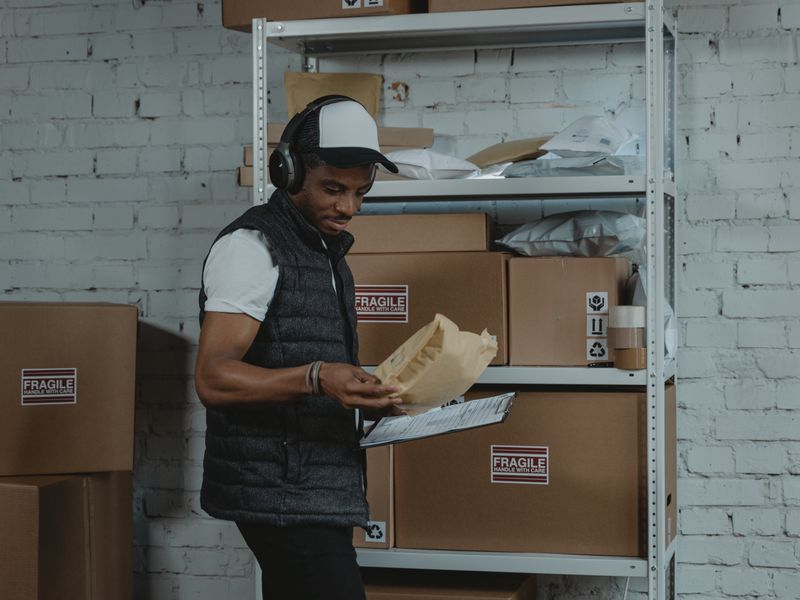

My Final Take
If you're still relying solely on those cumbersome handhelds, you're leaving money on the table. You're making your team work harder, not smarter. The market's competitive, especially down here in Miami where every penny counts for Caribbean freight. Investing in **wearable scanner tech adoption** isn't about being trendy; it's about being efficient, competitive, and profitable. It’s about giving your team the tools they need to perform at their best. Stop thinking about it and start doing your research. Your bottom line will thank you.
Ready to see how **wearable scanner tech adoption** could transform your warehouse? Contact us for a consultation. We've been there, done that, and can help you navigate the options and integrate seamlessly with your existing systems – or help you find a WMS like SprintWMS that excels at it.