Don't Miss Out: Caribbean Port Infrastructure Upgrades Reshaping Freight
Look, I've spent over a decade pushing freight through South Florida and into the Caribbean. The reality is, what happens in those island ports directly impacts what we do here in Miami. And lately, there's been some serious **Caribbean port infrastructure upgrades** that folks are either missing entirely or not leveraging enough.
The Shifting Tides South of Us
I mean, we've always treated the Caribbean like a reliable, albeit sometimes slow, extension of our domestic routes. But the game's changing. Investments are pouring into these ports, and it's not just cosmetic stuff. We're talking deeper drafts, bigger cranes, better storage – the kind of improvements that fundamentally alter transit times and capacity.
Honestly, I saw this starting a few years back. We had a client in Doral, importing specialty goods that needed faster turnarounds. Before these **Caribbean port infrastructure upgrades**, we were constantly fighting bottlenecks at specific islands. Now? We can reroute, hit bigger vessels, and shave days off transit. That's real money.
 *A bustling port with large container ships and cranes, symbolizing increased capacity.*
Why These Upgrades Matter to Your Wallet
Increased capacity is the biggest one, plain and simple. More berths, larger container yards, and faster turnaround times mean less dwell time for your cargo. You know what kills warehouse efficiency faster than anything? Containers sitting idle, racking up demurrage, disrupting your receiving schedule. We've all been there, swearing at a port delay that cost us $3,500 in three days just in fees alone. These **Caribbean port infrastructure upgrades** aim to mitigate that.
Plus, it opens up new direct shipping lanes. Instead of everything funneling through one or two choke points, you might find more direct service from origin to a specific island, bypassing some of the historical transshipment hubs. That's fewer hands in the pot, less risk of damage, and frequently, a lower landed cost.
I remember one shipment of specialty building materials. Had to go from Asia to St. Lucia. Old way? Miami consolidation, then a smaller feeder. New way, after some of the **Caribbean port infrastructure upgrades** in Kingston and Port of Spain came online? Direct service options emerged, cutting two weeks off the lead time and saving our client about 12% on freight.
What Exactly We're Seeing
It's not just one island, either. We're talking a coordinated push across several key hubs.
- **Deeper Channels and Bigger Cranes:** This allows for larger vessels, the Post-Panamax ships, to dock. More cargo per vessel means potentially lower per-unit freight costs. It’s simple economics.
- **Automated Gate Systems:** Faster truck turnarounds. We’re talking cutting hours down to minutes at some terminals. That's labor cost savings for your drayage.
- **Expanded Cold Storage:** Essential for perishable goods, and a huge win for the pharmaceutical and food sectors. This was a weak link, now it’s getting shored up.
Last month, we ran the numbers on a client moving pharmaceuticals to Puerto Rico. With the upgraded cold chain facilities at some Caribbean ports, we could opt for a different carrier, using a slightly longer ocean leg but a more reliable and cost-effective cold storage solution on the island. Saved them $47,000 in damaged goods last quarter compared to the previous year. That's not small change.
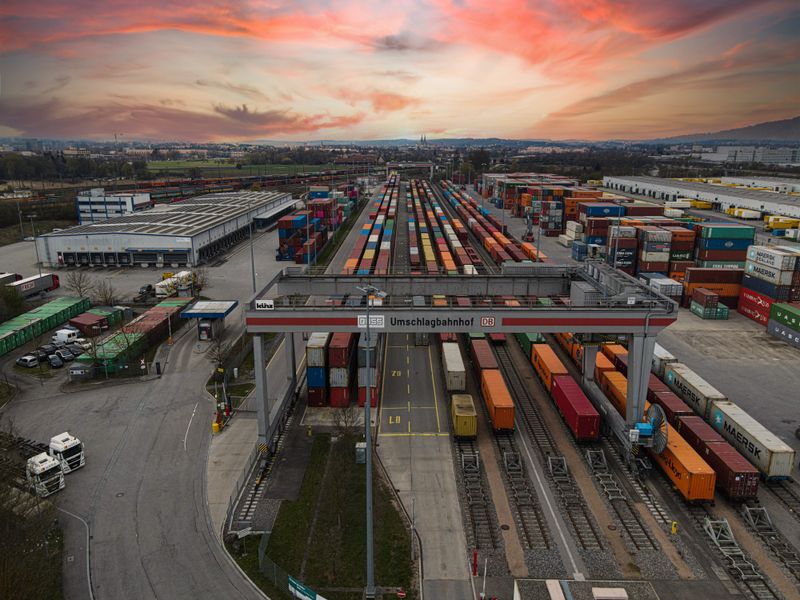
 *An aerial view of a busy port with many containers, showing vast areas and organized operations.*
How to Leverage These Changes
Here's the thing: you can't just keep doing business the old way and expect to capitalize on these new efficiencies. You need to be proactive.
First, talk to your carriers and NVOCCs. Ask them, specifically, about new routes or services that leverage these **Caribbean port infrastructure upgrades**. They might not volunteer the information if you don't ask. Push them for options, new pricing models based on improved transit times.
Second, review your current supply chain routes into the Caribbean. Are you still using a Miami-centric transshipment model out of habit? Could a direct sailing to, say, Puerto Rico or the Dominican Republic now be more efficient due to deeper drafts and better handling? You need to challenge your assumptions.
Third, and this is big for us, make sure your WMS can handle the granular data required to track these new routes. We use SprintWMS, and it's been a lifesaver for modeling different scenarios and tracking inventory accurately across these evolving paths. If your system can't adapt, you're flying blind.
It's not just about getting cargo to the islands faster; it's about optimizing your entire inventory flow. Reduced lead times mean you can carry less safety stock, freeing up working capital. That's a massive competitive advantage. These **Caribbean port infrastructure upgrades** aren't just for the big shippers; they're creating opportunities for everyone.

The Takeaway: Adapt or Get Left Behind
I've seen too many operations get stuck in their ways. They'll tell you, "We've always done it this way." Well, "this way" might be costing you a fortune now. The **Caribbean port infrastructure upgrades** are a significant development. If you're moving freight in this region, you need to understand them and rework your strategy.
It's all about being flexible, asking the right questions, and having the right tools, like SprintWMS, to actually model and execute these new, optimized routes. Don't leave money on the table just because you haven't reviewed your Caribbean inbound and outbound strategies in a couple of years.
Ready to see how these infrastructure changes can benefit your bottom line? Let's chat. Get in touch for a quick consultation; we can dig into your current setup and find those hidden efficiencies.