Mastering Warehouse Layout Design for Peak Efficiency
# Mastering Your Warehouse Layout Design for Peak Efficiency
Look, I've seen a lot of warehouses in my 15+ years in logistics – from Miami's bustling 3PL operations handling Caribbean freight to massive distribution centers up north. And let me tell you, there's one thing that can make or break your whole operation faster than almost anything else: your **warehouse layout design**. It's not just about cramming stuff in; it's about smart, strategic planning that impacts every single movement, every pick, and ultimately, your profitability.
I’ve watched companies bleed money because their layout was a chaotic mess. Think about it: wasted travel time, bottlenecks, safety hazards, higher labor costs. It all adds up. The reality is, a well-executed **warehouse layout design** is an investment, not an expense. It's the foundation everything else rests on.
## Why Your Layout Isn't Just 'Shelves and Aisles'
Honestly, some folks think **warehouse layout design** is a one-and-done deal. You build it, you set it up, and that’s that. But that’s a rookie mistake. Your business evolves, your product mix changes, order profiles shift. What worked last year might be actively hindering you today.
We had a client in Doral, a food distributor actually, who hadn't touched their layout in five years. They were losing $47,000 in damaged goods last quarter alone, mostly due to forklifts navigating ridiculously tight, poorly lit aisles. Plus, their picking paths crisscrossed like spaghetti. We ran the numbers, and their labor hours for picking were 30% higher than industry average. That's real money, not theoretical savings.
Here’s what a good **warehouse layout design** strategy tackles:
* **Efficiency:** How quickly can goods move in, through, and out?
* **Space Utilization:** Are you using every cubic foot effectively? Vertical space is your friend, people!
* **Safety:** Are your workers protected from hazards like narrow aisles, blind spots, and poorly placed equipment?
* **Scalability:** Can your layout adapt to growth without tearing down walls?
* **Accessibility:** Can you easily get to what you need, when you need it?
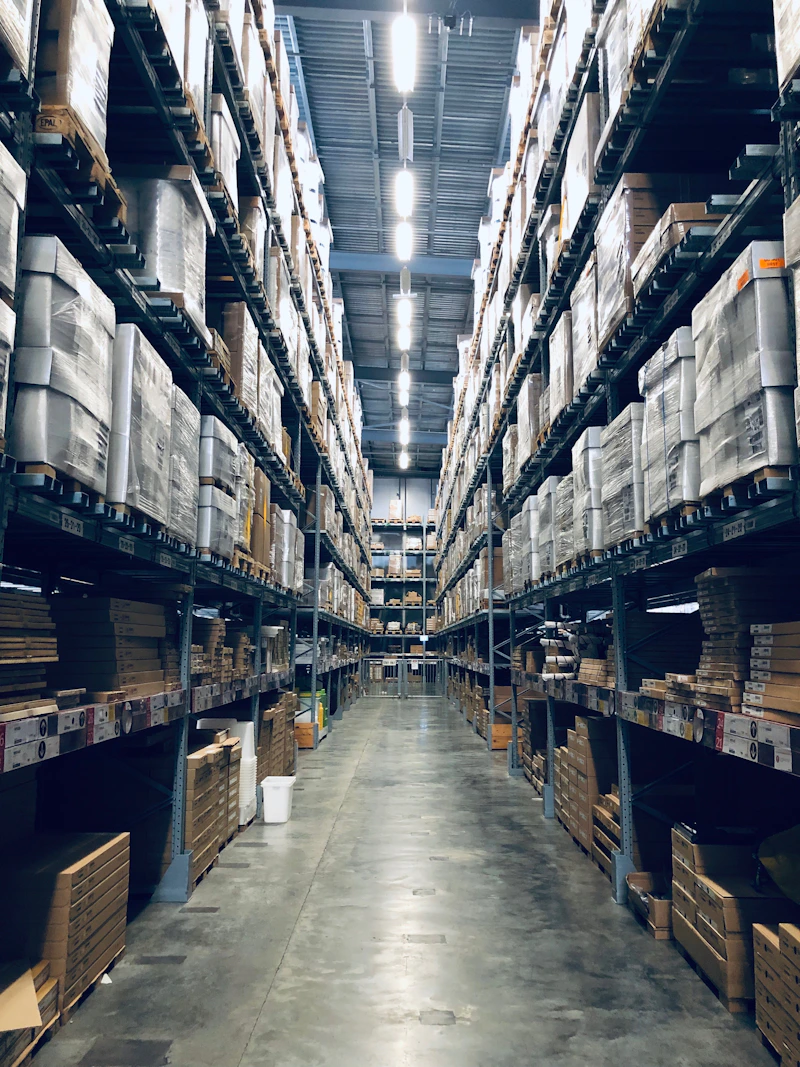
### The Core Principles of a Solid Layout
When I’m looking at a new facility or doing an overhaul, I always come back to a few non-negotiable principles for **warehouse layout design**. These aren't fancy, but they're fundamental.
1. **Flow, Flow, Flow:** Goods should generally move in a straight line or a U-shape, minimizing backtracking and unnecessary turns. Think about your receiving, putaway, storage, picking, packing, and shipping areas. They should flow logically into each other.
2. **Product Placement:** This is huge. Fast-moving items? Keep 'em close to shipping. Heavy items? Store 'em low. Bulky items? Might need specialized racking. You know what kills warehouse efficiency faster than anything? Searching all over for frequently ordered SKUs.
3. **Aisle Widths:** This one's critical for safety and speed. Are your forklifts struggling to turn? Are workers constantly squeezing past each other? That means your aisles are too narrow. But going too wide wastes prime storage space. It’s a balance.
## Implementing Technology in Your Layout
You can have the best blueprint in the world, but if your systems don't support it, you're still just pushing paper. This is where a robust WMS comes into play. I've personally seen the transformation a good system like SprintWMS can bring, especially when integrated with a smart **warehouse layout design**.
SprintWMS helps you enforce those flow principles. It can direct putaways to optimal locations, generate smart picking routes that follow your new layout, and give you real-time visibility into inventory. Without it, even a perfect layout can devolve into chaos pretty quickly. We used SprintWMS to optimize zone picking in a facility once, and it cut picking errors by 15% in the first quarter simply because the WMS intelligently grouped orders and directed workers more efficiently within their pre-defined zones.

### The Vertical Space Advantage
Many warehouses are practically swimming in unused vertical space. This is a common oversight in **warehouse layout design**. Why build out when you can build up? High-density storage solutions, like very narrow aisle (VNA) racking or automated storage and retrieval systems (AS/RS), can dramatically increase your storage capacity without expanding your footprint.
I mean, we had a client in South Florida, land is expensive down here, right? They thought they needed a new building. After a layout re-design focusing on VNA racking and using a specialized turret truck, we increased their storage capacity by 40% in their existing footprint. That's millions saved on new construction, just by thinking vertically with their **warehouse layout design**.
And it's not just about static shelving. Think about dynamic slotting – using your WMS to constantly analyze product movement and relocate items to the most efficient locations. This is an ongoing process, not a one-time project. Your **warehouse layout design** should support this flexibility.
## Don't Just Set It and Forget It
Your **warehouse layout design** isn't static. It needs constant review and refinement. Run reports from your WMS – like travel path analysis, pick times, putaway times. Look at your order profiles. Are they changing seasonally? Is a new product line altering your needs?
Miami's freight scene, especially with our Caribbean connections, means constant flux. You might be handling more pallets of humanitarian aid one month, then a surge of high-value electronics the next. Your **warehouse layout design** needs to be adaptable. Regular audits, sometimes quarterly, are essential to ensure your layout is still serving your best interests and not creating hidden inefficiencies.
Look for bottlenecks. Ask your forklift drivers and pickers – they’re on the floor every day and often have the best insights into what works and what doesn't. Their feedback is invaluable for refining your **warehouse layout design**.
## Ready to Optimize Your Warehouse?
If you're feeling the pinch of an inefficient operation, or know your **warehouse layout design** is holding you back, it's time for a change. Don't let your physical space limit your potential. A well-thought-out, technology-supported **warehouse layout design** can dramatically improve your productivity, cut costs, and boost overall satisfaction.
We can help you analyze your current setup, identify bottlenecks, and design a layout that makes sense for your unique operations. And yeah, we'll talk about how SprintWMS fits into all of that to really maximize your gains. Let's make your warehouse work smarter, not harder.
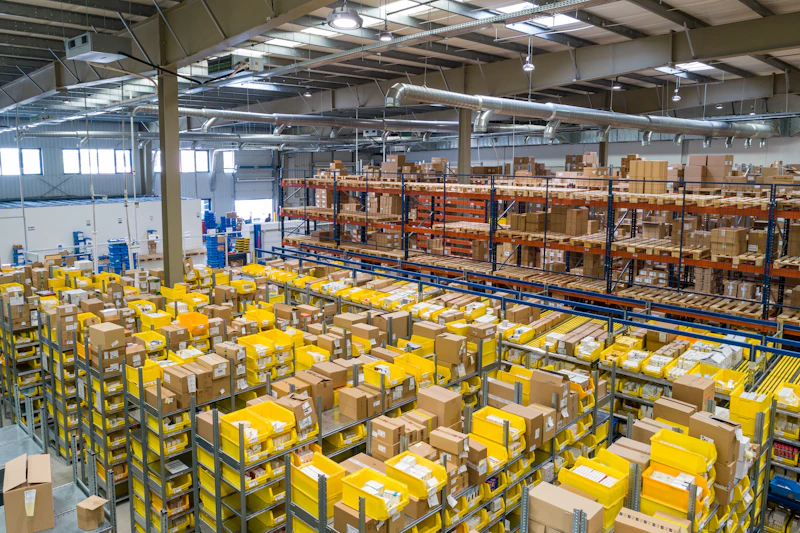
Ready for a walk-through? Get in touch and let’s discuss how a custom **warehouse layout design** can transform your logistics operation.