Navigating 2024's Supply Chain Trends: What You Need to Know
Look, I've been in this game a long time. Over fifteen years of running warehouses, sweating the details, and frankly, making a lot of things work that probably shouldn't have. I’ve seen Miami’s port evolve, moved everything from fresh produce to heavy machinery for the Caribbean, and wrestled more than one WMS into submission. The one constant? Change. And right now, the **supply chain trends** are coming at us hard and fast. If you're not paying attention, you're already behind.
The Shifting Sands of Global Trade
Remember when we talked about 'just-in-time' like it was gospel? Yeah, that’s largely out the window for a lot of goods. The pandemic, geopolitical jitters, and even just a stiff breeze at sea can throw a wrench in those finely tuned plans. We're seeing a definite shift towards 'just-in-case.' People are holding more inventory, building redundancy, even if it hurts the balance sheet a little in the short term. No one wants to be caught with empty shelves again. This directly impacts warehouse space, labor needs, and frankly, how much capital you’ve got tied up in stock. It's a huge **supply chain trend**.
Tech Isn't Optional Anymore, It's Survival
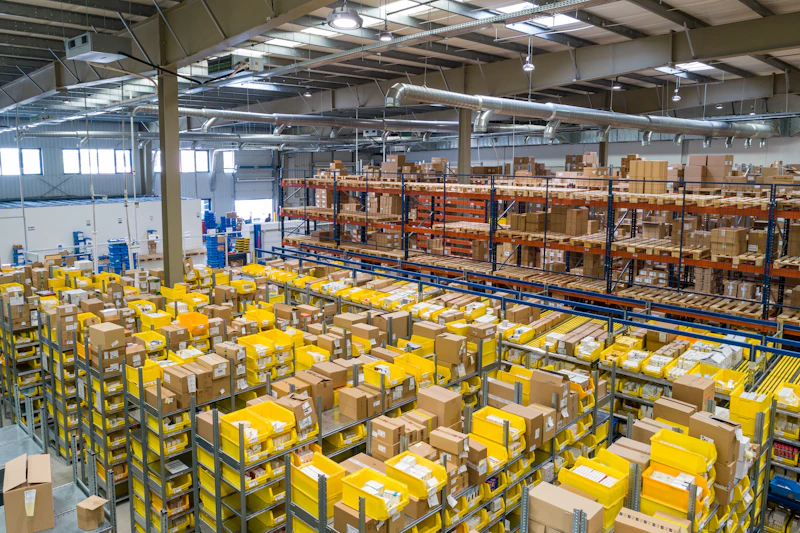
Honestly, if you're still running your warehouse on spreadsheets and gut feelings, bless your heart. You're losing money. You're losing customers. And you're definitely losing control. This isn't about fancy gadgets for the sake of it. We're talking core operational necessity here. Things like real-time tracking, predictive analytics, and robust WMS platforms are no longer 'nice-to-haves.' They're foundational.
Last month, we ran the numbers on a client in Doral, a medical supplier, who was manually tracking thousands of SKUs. They had $47,000 in damaged goods last quarter directly tied to mispicks and expired products. That's real money. Implementing a proper WMS, like SprintWMS, cleaned that up almost immediately. It's not magic; it's just better data and better control. These **supply chain trends** around tech adoption are critical.
Automation: Not Just for the Big Guys
When I first started, automation meant a forklift. Maybe a conveyer belt if you were really high-tech. Now? We've got everything from robotic arms to autonomous forklifts and even drones for inventory counts. You don't need a multi-billion dollar budget to start. Even smaller, more targeted automation can make a massive difference. Think about picking. You know what kills warehouse efficiency faster than anything? Walk time. If you can automate even a portion of that, you're golden.
We had a small e-commerce operation that was drowning in order volume. We implemented a simple pick-to-light system and optimized their layout. Suddenly, they weren't just keeping up; they were *ahead*. That's the power of embracing these **supply chain trends** in automation.
Sustainability isn't Just a Buzzword, It's Business
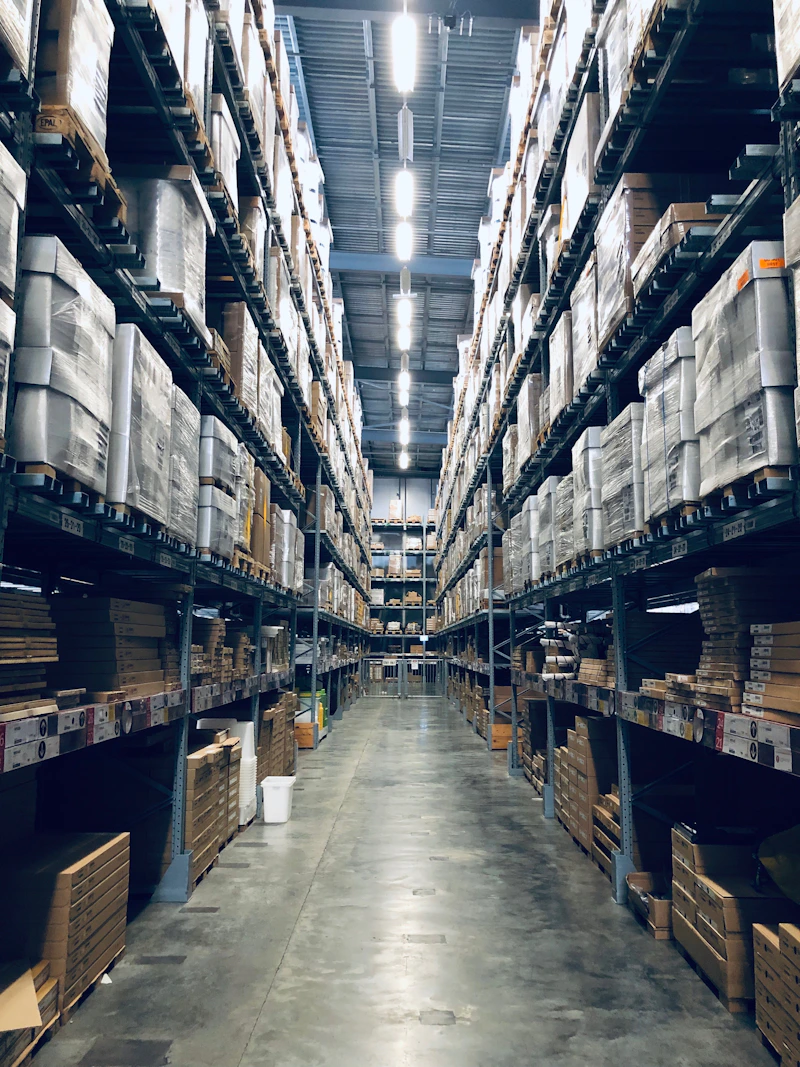
Twenty years ago, no one in logistics talked about being 'green.' Now? It's a major **supply chain trend**. Customers care. Investors care. And frankly, the margins can be better if you do it right. Think about optimizing routes to cut fuel consumption, using electric vehicles for last-mile delivery, or even just smarter packaging to reduce waste. It’s not just about PR; it’s about efficiency and often, cost savings in the long run. We started a recycling program for pallets and shrink wrap at one of my 3PLs, and it cut our waste disposal costs by 15% in the first year. Small steps add up, especially when you're talking about global **supply chain trends**.
The Workforce Challenge
Finding good people has always been tough in this industry, but it feels even tougher now. Retention is a huge issue. The labor market is tight. This is where technology and a good culture come together. Nobody wants to do repetitive, back-breaking tasks if a machine can do it. Use your WMS to optimize workflows, train your team well, and give them the right tools. A happy, efficient team makes all the difference. Investing in your people and the tools they use is one of those **supply chain trends** that pays dividends.
Regionalization and Reshoring
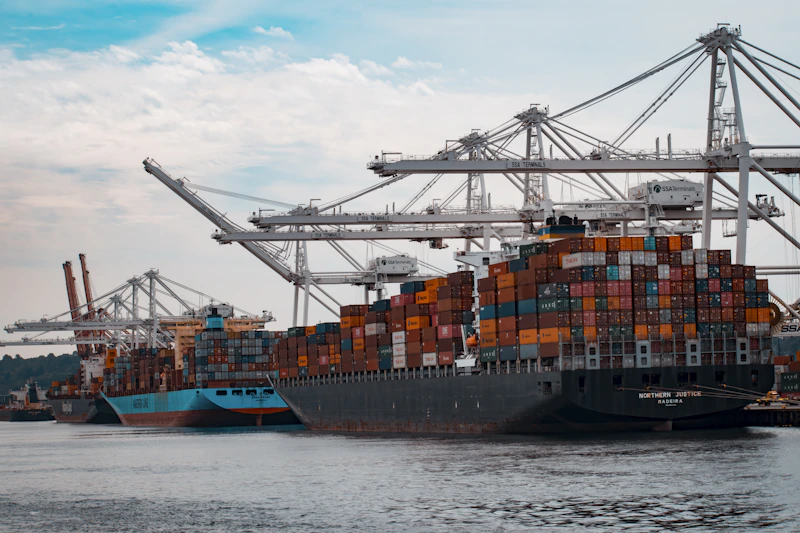
This is a big one, tying back to that 'just-in-case' mentality. Companies are rethinking their global footprints. They're looking to bring production closer to home, or at least closer to their key markets. This creates new logistics hubs, new warehousing needs, and new opportunities. For us in Miami, the nearshoring trend in Latin America is huge. It means more freight, different customs challenges, but also a chance to really lean into our expertise in that region. It's a significant shift in **supply chain trends** that we're seeing play out in real-time.
We're talking about a landscape that's constantly moving. You can't just set it and forget it. You've got to be agile. You've got to be informed. And you've got to be willing to invest in the right systems and the right people. Staying on top of these key **supply chain trends** isn't just best practice; it's absolutely essential for staying competitive.

Ready to Adapt Your Operations to Current Supply Chain Trends?
If these **supply chain trends** have you thinking about your current operations, maybe it's time for a chat. We've helped countless businesses navigate these complex waters, from implementing robust WMS systems like SprintWMS to optimizing entire supply chains. Let's talk about what's keeping you up at night and how we can help you turn challenges into opportunities. Reach out for a quick consultation; no strings attached. We’ll even throw in some war stories from the Miami ports, on the house.