Navigating Caribbean Customs Modernization: Your Guide
Look, I've been doing this for over fifteen years. Seen a lot of changes, especially around Miami, managing 3PL ops and pushing freight into the Caribbean. The one constant? Customs is always a moving target. And right now, what I'm seeing with **Caribbean customs modernization** is a real game-changer – for better or worse, depending on how prepared you are.
You know what kills warehouse efficiency faster than anything? Delays at the port. That's why understanding and adapting to **Caribbean customs modernization** isn't just about compliance; it's about staying competitive. I've had clients in Doral lose thousands because they didn't anticipate a new declaration process or a shift in port procedures. You can't afford to be caught off guard.
The New Reality: Digital First
Forget the stacks of paper; those days are dwindling. The push for **Caribbean customs modernization** is all about digital submission, automated processing, and reduced physical interaction. This is great in theory, right? Faster clearances, less hassle. The reality, though, is that not every island is at the same stage, and the systems can be finicky.
We had a shipment last year going to Jamaica. New digital portal for customs declarations just went live. Our team, thinking they were ahead of the curve, submitted everything. Turns out, the system crashed halfway through processing, and all the data vanished. Had to resubmit, caused a two-day delay. Cost us about $3,000 in demurrage and expedited local delivery fees. That's the kind of headache you want to avoid. It highlights the learning curve, not just for us, but for the customs authorities as well.
Why You Can't Ignore Digital Tools
Honestly, if you're still relying on paper-based processes for your Caribbean bound freight, you're toast. Customs offices are increasingly rejecting physical documents. They want EDI, direct portal uploads, API integrations. We rolled out SprintWMS at my last gig, and the biggest gain wasn't just in-warehouse efficiency. It was how it connected us directly to carrier and customs platforms, allowing for seamless data exchange. That's how you navigate **Caribbean customs modernization** effectively. It ain't cheap, but it pays for itself.
Last month, we ran the numbers. Shipments processed through our integrated SprintWMS customs module cleared, on average, 1.5 days faster than those requiring manual data entry. That's huge when you're talking about fresh produce or time-sensitive goods.

Data Accuracy: Non-Negotiable
Here's the thing about digital systems: they're unforgiving. One typo in a Harmonized System (HS) code, one missing piece of information, and your shipment is flagged. Instant delay. Fines. Demurrage. It just spirals. With **Caribbean customs modernization**, they're able to cross-reference data much faster and flag discrepancies more easily.
I’ve seen $47,000 in damaged goods last quarter simply because a customs hold, due to a documentation error, left containers baking on the tarmac for too long. Imagine that hit to your P&L because someone misclassified a pallet of frozen seafood as dry goods on the manifest. It's not just about getting the form right; it's about *everything* being right.
- **Verify HS Codes:** Double, triple-check. This is where most errors happen.
- **Complete Documentation:** Don't leave any fields blank unless expressly instructed.
- **Pre-Clearance:** If available, use it. It's a lifesaver for reducing port dwell times.
The Human Element Still Matters
Despite all the talk of automation, relationships still count. Having a good customs broker on the ground in those Caribbean nations, someone who understands the local nuances and can troubleshoot when the digital systems inevitably hiccup, is absolutely critical. They're your eyes and ears. They can tell you about expected changes in **Caribbean customs modernization** before they become an issue.
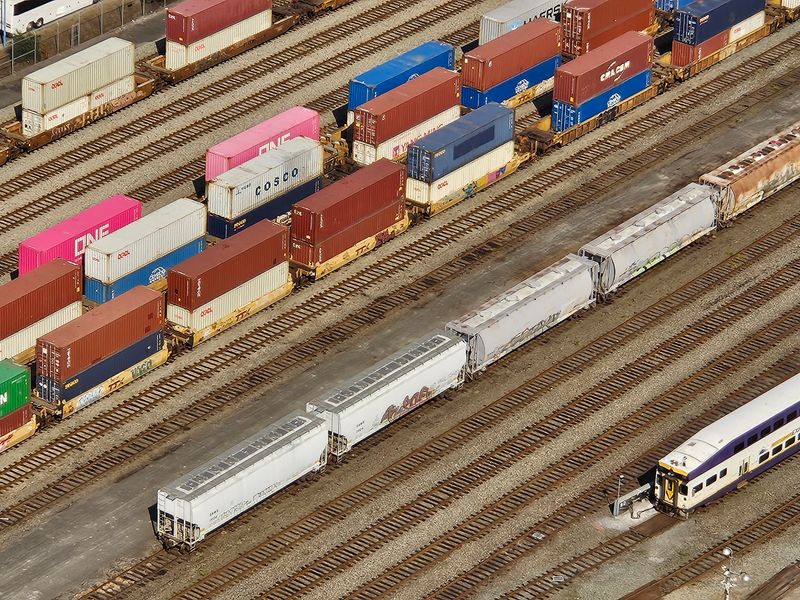
Plus, sometimes you just need to pick up the phone. A personal connection with someone at the port, a customs agent, can smooth things over in ways a digital ticket never will. It’s not about cutting corners, it’s about navigating the inevitable bumps in the road with human intelligence and flexibility.
Training Your Team for the Future
Your team needs to be up to speed on these changes. Investing in training on new customs portals, updated documentation requirements, and even just the mindset shift to a more digital-centric process is crucial. We bring in our customs brokers to do quarterly updates with our import/export teams, specifically highlighting changes related to **Caribbean customs modernization**. It’s proactive, not reactive.
Look, the landscape is changing, and **Caribbean customs modernization** isn't going to slow down. Embrace it. Adapt. Tools like SprintWMS can help consolidate your processes, but the real power comes from combining solid tech with smart people who know their stuff. Don't be the guy complaining about the 'old days' when everyone else is clearing freight out of the port while your goods are stuck in customs limbo. Get ahead of it.

If you're looking to adapt your operations to the evolving **Caribbean customs modernization**, you need a partner who's been there, done that, and can help you implement the right systems and strategies. Don't let compliance issues eat into your profits. Reach out to discuss how we can help optimize your cross-border operations and integrate solutions like SprintWMS for smoother sailing.
