Nearshoring Freight Pressure Caribbean Ports: Fix It
The Volume Spike Nobody Was Ready For
Nearshoring freight pressure Caribbean ports is real, it's accelerating, and most operators I talk to are still running 2019 playbooks. That's a problem.
We had a client out of Medellín shifting 30% of their apparel manufacturing to Guatemala last year. Overnight, their Caribbean routing volume jumped, transit times ballooned by four days, and two ports couldn't even confirm berth availability within a 72-hour window. Nobody budgeted for that chaos.

Here's the thing — nearshoring was supposed to make supply chains simpler. Closer manufacturing, shorter lanes, less exposure to trans-Pacific disruptions. And it does deliver on that promise, eventually. But the transition period? That's where the nearshoring freight pressure Caribbean ports are absorbing right now is crushing unprepared operators.
What's Actually Happening at These Ports
Look, I spent time at PortMiami coordinating inbound flows from Kingston and Port-au-Prince. The infrastructure gap between what these Caribbean facilities were built for and what nearshoring demand is throwing at them right now is massive.
Kingston Wharves was designed with a certain throughput ceiling. When you add displaced manufacturing from Asia routing through Caribbean transshipment hubs, that ceiling gets hit fast. We're talking dwell times jumping from two days to six, seven days in some cases — and that's $8,000 to $12,000 in demurrage per container if you're not watching your clock.
The Three Pressure Points I See Most
Not gonna lie, I was wrong about port congestion being a short-term blip. It's structural now. The nearshoring freight pressure Caribbean ports are experiencing breaks down like this:
- **Crane and berth capacity**: Most mid-size Caribbean ports added zero significant infrastructure between 2018 and 2024. Volume didn't care.
- **Chassis and inland drayage**: You can clear a container in two days and then wait five more for a chassis. Seen it happen in Port Everglades feeder operations constantly.
- **Customs processing bandwidth**: Nearshoring brings new country-of-origin documentation, new HS code patterns. Customs agencies aren't staffed for the increased complexity.
Right. So here's what happened with a freight client we onboarded six months ago — they moved production from Vietnam to Honduras, assumed their Caribbean routing would be cleaner, and got hit with $47,000 in demurrage and storage fees in their first quarter. That's a real number. I pulled it from their invoice stack myself.
How Smart Operators Are Adapting
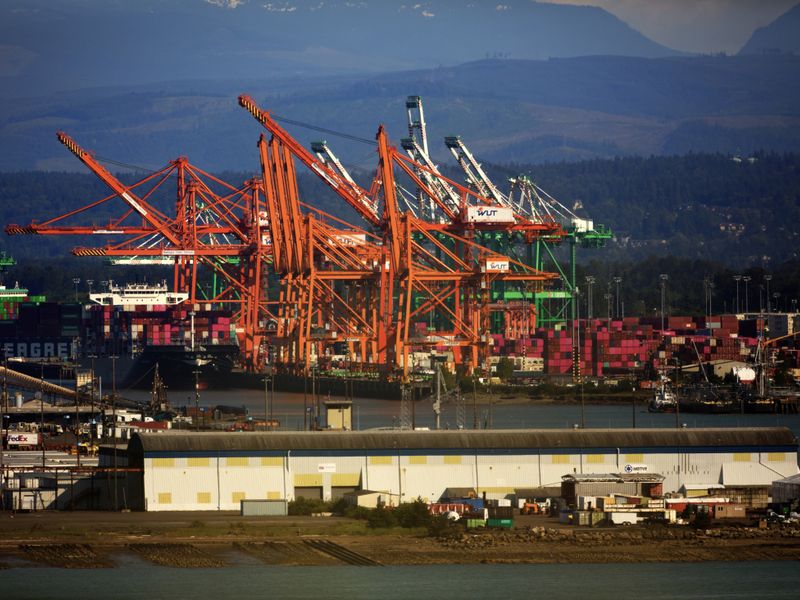
The operators surviving this nearshoring freight pressure Caribbean ports environment aren't the ones with the biggest budgets. They're the ones making better decisions faster.
Routing Flexibility Has to Be Built In
Fixed port-pair contracts made sense when volume was predictable. They don't work now. I've seen 3PLs locked into Freeport routing when Kingston would have cut four days off transit — but the contract said Freeport, so Freeport it was.
You need contingency routing baked into your freight agreements. Period. At minimum, identify two alternate transshipment hubs for every primary lane you're running. (This sounds obvious until you're on the phone at 11pm trying to reroute 14 containers because your primary hub just announced a 96-hour berth delay.)
WMS visibility is non-negotiable here. We've been using SprintWMS with several clients to flag inbound shipment status against expected port arrival windows. When nearshoring freight pressure Caribbean ports creates a delay, you want your warehouse team alerted before the container misses the dock, not after.
Don't Ignore the Feeder Vessel Math
The feeder vessel market serving Caribbean ports is tight right now. Capacity is being absorbed by nearshoring volume faster than operators realize. I ran the math on a Jamaican manufacturing client last March — feeder rates on their primary Caribbean lane were up 34% year-over-year. That's not inflation. That's supply-demand imbalance caused directly by nearshoring volume growth.
Book feeder capacity further out than you think you need to. Six to eight weeks minimum on lanes showing nearshoring freight pressure Caribbean ports volume growth. I know that feels aggressive. Do it anyway.
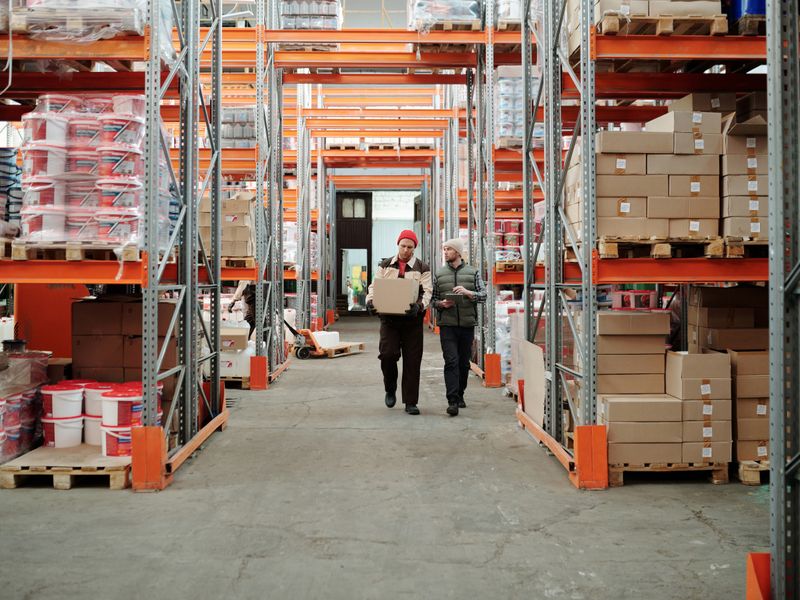
Your WMS Has to Talk to Your Freight Data
Here's where a lot of operations fall apart. The warehouse is running SprintWMS, the freight team is using a separate TMS, and nobody's connecting port dwell data to inbound receiving schedules. So your dock is staffed for Tuesday arrivals that don't show until Friday because nearshoring freight pressure Caribbean ports knocked your ETA by 72 hours.
That's a labor cost problem. That's a storage problem. And honestly, it's an avoidable problem.
The fix isn't complicated — integrate your port status feeds into your WMS so your receiving team sees live ETA updates, not the booking estimate from three weeks ago. SprintWMS handles this integration cleanly with most TMS platforms. We set it up for a Doral-based 3PL last fall and they cut their dock labor variance by about 22% in 90 days.
The Caribbean Logistics Landscape Is Repricing Itself
Nearshoring freight pressure Caribbean ports isn't going away. Nearshoring investment in Central America and the Caribbean basin is accelerating — we're talking $12B+ in announced manufacturing shifts over the next three years targeting this region.
Ports in Panama, Jamaica, and Puerto Rico are all midway through infrastructure expansion projects that won't be complete before 2027. That gap — between current capacity and nearshoring demand — is your operating environment right now.
Plan for it. Don't wait for it to hit you.

If your Caribbean freight strategy still looks like it did in 2021, you're already behind. Talk to us — we work with 3PLs and importers managing exactly this kind of nearshoring freight pressure Caribbean ports transition. A 30-minute consult might save you $47,000 in demurrage. Seriously, book it.