Optimize Your Warehouse: Smart Warehouse Layout Design
Look, I've seen warehouses that look like a bomb went off, and I’ve seen ones that hum like a well-oiled machine. The difference? Good **warehouse layout design**. It's not just about stacking boxes; it’s about flow, efficiency, and making every square foot count. You think you're saving money by squeezing in more racking? Sometimes, you're costing yourself a fortune in wasted labor and damaged goods.
I remember one 3PL client down in Doral. Their old layout was a nightmare. Forklifts were doing U-turns in aisles that weren't wide enough, pickers were walking miles for a single order. We're talking about $47,000 in damaged goods last quarter, just from poor traffic flow. The reality is, your **warehouse layout design** is the blueprint for your entire operation. mess it up, and everything else falls apart.
Why a Smart Layout Isn't Optional Anymore
Honestly, if you're not constantly evaluating and optimizing your **warehouse layout design**, you're leaving money on the table. It's that simple. We're not in the 1980s anymore. Space is expensive, labor is expensive, and customers want their stuff yesterday.
Plus, a well-designed layout can actually make your team happier. Nobody likes bumping into people or struggling to find what they need. Happy workers are productive workers. It's a win-win.
The ROI of Thoughtful Design
We redid that Doral client's layout. We widened main thoroughfares, implemented a clear one-way system for forklifts in high-traffic areas, and re-slotted fast-moving SKUs closer to shipping. Within six months, their picking efficiency shot up by 25%. Damages dropped by 70%. That's real money.
And it's not just about the big bucks. Think about:
- **Reduced travel time:** Pickers spend less time walking, more time picking. Seems obvious, right?
- **Improved safety:** Fewer collisions, less strain on workers. OSHA loves that.
- **Minimizing product damage:** Clear paths, proper staging areas. No more crushed corners.
- **Faster order fulfillment:** Everything's where it needs to be, quickly.
Key Elements of a Solid Warehouse Layout Design
So, where do you start? You can't just move stuff around willy-nilly. There's a method to the madness. Good **warehouse layout design** relies on a clear understanding of your operation.
Here's what I always look at:
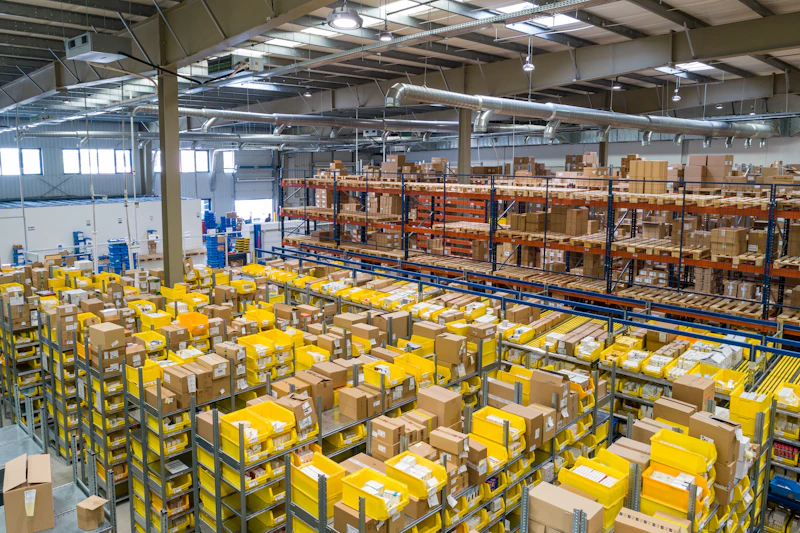
1. **Receiving & Staging:** This has got to be clean, organized. You don't want trucks backed up because you've got no space to unload. Think about direct putaway versus temporary staging. 2. **Storage Areas:** This is where inventory lives. Are you using vertical space effectively? High-density storage for slow movers? Pallet racking, shelving, flow racks? It all depends on your product mix. We used SprintWMS to analyze inventory velocity and recommend optimal storage types. It made a huge difference. 3. **Picking & Packing:** This is often the biggest bottleneck. Are you using efficient picking methodologies like zone picking or batch picking? I've never seen zone picking fail when done right. Your **warehouse layout design** needs to support your picking strategy. 4. **Shipping & Loading:** Just like receiving, this area needs to flow. Consolidated orders waiting, proper labeling, enough dock doors. You know what kills warehouse efficiency faster than anything? Backed-up shipping.
Don't Forget the Office & Ancillary Spaces
It's easy to focus solely on the product flow and forget the people. Your office space, break rooms, restrooms, even maintenance areas—they all impact overall efficiency and morale. A well-placed supervisor's office can cut down on walking time for questions.
And what about equipment? Where do forklifts charge? Where are MHE maintained? A good **warehouse layout design** accounts for everything.

Tools and Tech to Help Your Layout
This isn't just about drawing lines on a paper anymore. Software can be a game-changer for **warehouse layout design**.
We used tools that could simulate different layouts, showing us exactly where bottlenecks would occur before we even moved a single pallet. This kind of predictive analysis is gold. A robust WMS, like SprintWMS, will not only track your inventory but can also suggest optimal slotting based on real-time data, which directly informs your layout decisions.
Look, you want to use historical data. Seasonal peaks, slowest movers, fastest movers. This insight, integrated through something like SprintWMS, becomes the backbone of an intelligent **warehouse layout design**. It's not a one-and-done project; it's continuous optimization.

The reality is, your warehouse is a living, breathing entity. What works today might not work next year. Product lines change, volumes change, customer expectations change. You've got to be agile. Regularly review your **warehouse layout design**. Don't be afraid to tweak it. Small changes can lead to huge gains.
Think about it. If you're running a 3PL, especially in a market like Miami where space is pricey and turnaround is king, you can't afford to be inefficient. Your **warehouse layout design** is your competitive edge.
Need a fresh set of eyes on your current **warehouse layout design**? Or maybe you're looking to implement a WMS that can actually help you optimize your space instead of just track inventory? Reach out. Let's talk about how to get your warehouse flowing like a true pro.