Pallet Damage Cost Control: Stop Bleeding Money
You know what kills warehouse efficiency faster than anything? It's not a bad WMS. It's not poor slotting. It's pallets. Beat-up, poorly managed, quietly expensive pallets that nobody's tracking until the P&L meeting hits and someone's asking why you wrote off $34,000 in damaged goods last quarter.
I've seen it at every facility I've managed. **Pallet damage cost control** is one of those problems that hides in plain sight.
Why Pallets Are Bleeding You Dry
Here's the thing — most operations managers know they have a pallet problem. They just don't know how bad it is. We ran the numbers at a client facility in Doral last year. They were replacing roughly 200 pallets a month at $12-$18 a pop. That's $28,800 annually on the low end, just in replacement costs. Doesn't count product loss from pallet failures mid-rack.
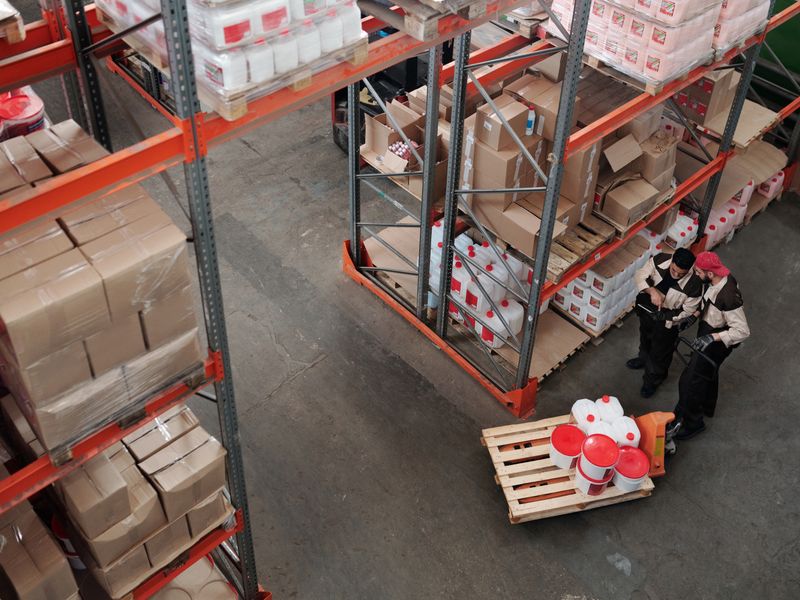
The real cost of weak **pallet damage cost control** has three layers:
1. **Direct replacement cost** — buying new pallets constantly 2. **Product damage** — a blown pallet in racking can cascade into $5,000+ in damaged inventory in seconds 3. **Labor cost** — someone's spending time sorting, repairing, or disposing of bad pallets instead of picking orders
Nobody's tracking all three. That's the problem.
The Inspection Problem Nobody Wants to Talk About
Most warehouses do zero formal pallet inspection at receiving. I don't mean a quick glance. I mean an actual check — broken deck boards, missing blocks, protruding nails, damaged stringers. We had a client in Hialeah who was accepting whatever came off the truck because the receiving team was slammed. Six months later they had a rack incident. One bad pallet, $47,000 in inventory damage, and two workers on incident reports.
Tight **pallet damage cost control** starts at the dock. Not the rack. Not the shipping area. The dock.
Your receiving team needs a simple go/no-go checklist. It doesn't need to be fancy:
- All deck boards intact, no gaps over 3 inches
- No cracked or broken stringers or blocks
- No protruding nails or fasteners
- Pallet sits flat (test on dock floor)
- Weight rating matches your load type
That's it. Train it once, laminate it, post it at every receiving door.
Grade Your Pallets — Seriously
This sounds basic. It is. Most places still don't do it.
We use a three-tier system: Grade A for new or near-new pallets going into rack storage. Grade B for floor storage and staging. Grade C for vendor return or disposal. When you implement this, **pallet damage cost control** becomes measurable overnight because now you're tracking attrition by grade.
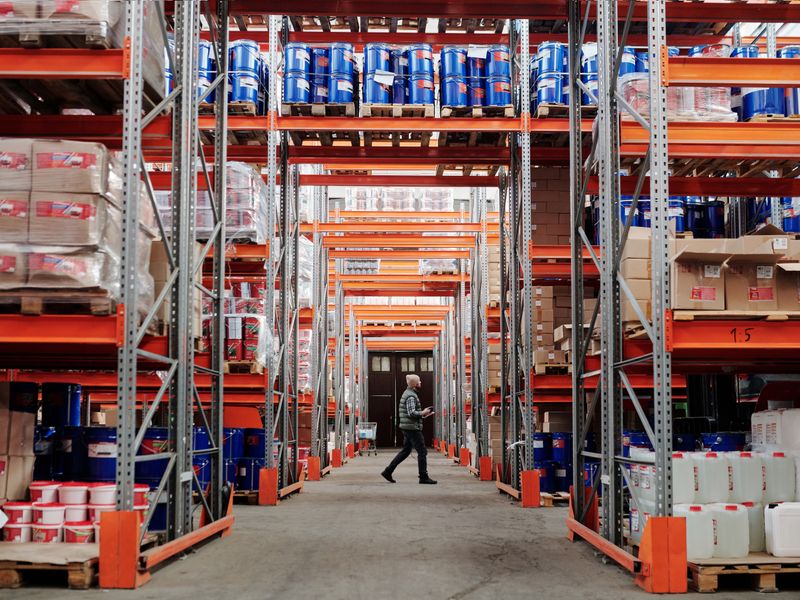
SprintWMS handles this cleanly if you're running a WMS already. You can tag pallet grades during receiving and flag any Grade C stock for removal automatically. I've seen operations cut their pallet-related incidents by 40% in 90 days just by adding grade tracking.
The other thing grade systems do? They force accountability. When a team lead knows that Grade A pallets are being tracked by location and they're showing up as Grade C at returns, someone's answering for that.
Forklift Operator Behavior Is a Variable You Control
Honestly, this is where I see the most avoidable damage. Forklifts driven too fast, tines not centered, operators hitting racks because they're in a hurry. One bad habit across three operators can destroy 50 pallets a month.
The fix isn't yelling at people. It's measurement and consequence. Mount cameras at your rack ends and staging areas. Do monthly damage reviews tied to operator performance. When someone sees a photo of their tine impact on a pallet they damaged, behavior changes.
SprintWMS has a damage event logging module that some of our clients use to tie product damage events to shift and station. Not to punish people — to identify patterns. Maybe it's always the second shift on the east dock. Maybe it's one reach truck with a worn hydraulic line. You can't fix what you can't see.
Repair vs. Replace: Run the Math
Not every damaged pallet needs to go in the trash. A pallet with one broken deck board? That's a $2 repair with a nail gun and a spare board, not a $15 replacement. We had a client who added a simple pallet repair station — a workbench, basic tools, spare lumber — and cut their monthly pallet spend by 35% in four months.
The math is simple. If a repair takes 8 minutes of labor at $18/hour, that's about $2.40 in labor. Compare that to $12-$18 for a replacement pallet. You're saving $10+ per repair. Do 100 of those a month and you've got $1,000 back.
**Pallet damage cost control** isn't always about buying less. Sometimes it's about throwing away less.

Track It or It Doesn't Exist
The last piece is reporting. If you're not tracking pallet inventory the same way you track product inventory, you're flying blind. I've worked with operations that could tell you exactly how many SKUs they had on hand but had zero idea how many good pallets were in the building.
SprintWMS lets you set pallet as an asset class and track quantity, grade, location, and movement history. Takes about a day to configure. After that, you've got a real picture of your pallet damage cost control performance — not a gut feeling.
Set a monthly target. Something like: pallet replacement cost under 1.5% of monthly inventory value. That's a real KPI you can manage against.
If your operation is serious about margins, get serious about pallets. The money is sitting right there on the dock floor.
**Want to see how SprintWMS can help you track and reduce pallet-related costs?** Book a free 20-minute demo and we'll show you exactly how other 3PL operators in South Florida have tightened up their pallet damage cost control — with real before-and-after numbers.