Workflow Automation Basics: Your Guide to a Smarter Warehouse
Workflow Automation Basics: Stop Drowning in Manual Tasks
Look, I've been in this game over 15 years. I've seen warehouses — good, bad, and downright ugly. And you know what kills warehouse efficiency faster than anything? Manual, repetitive tasks. It's a black hole for productivity, a drain on your P&L, and frankly, it just grinds your people down. That's why understanding **workflow automation basics** ain't just a nice-to-have; it's non-negotiable if you want to stay competitive.
I’m talking about everything from receiving goods to shipping out orders, inventory movements, even simple data entry. If a human has to touch it multiple times, there’s probably a better way. I’ve personally seen automation cut data entry errors by 80% with one client in Doral, saving them over $47,000 in damaged goods last quarter alone from mislabeled shipments that automation would've caught.
Why Bother with Automation? Because Time is Money, Period.
Honestly, some folks still think automation is just for the big boys with endless budgets. Nonsense. The reality is, even small steps can yield massive results. Why are we still having people manually check off manifests when a scanner and a WMS can do it in seconds? It blows my mind sometimes.
Here's the deal: every time you remove a manual step, you're doing a few things:
- **You're speeding things up.** Cycle times shrink. Pick times get faster. Less truck dwell time means happier carriers.
- **You're reducing errors.** Humans make mistakes. Machines, not so much, especially when they're following a programmed *workflow automation.* Last month, we ran the numbers, and manual inventory counts were off by an average of 3.5% across a few client sites. With automated cycle counting, that dropped to under 0.2%. That's a huge difference when you're managing tens of thousands of SKUs.
- **You're freeing up your best people.** Let 'em focus on problem-solving, strategizing, or complex tasks. Not copying SKU numbers from one sheet to another. It's a waste of their talent, and frankly, it’s demoralizing.
- **You're getting better data.** Automated systems capture data consistently. That data? Gold. It helps you see bottlenecks, forecast better, and make smarter decisions.
One of the biggest wins I've seen from digging into **workflow automation basics** is with cross-dock operations for Caribbean freight. Before, it was a paper nightmare. Now, with the right system, inbound scans trigger outbound labels, and it's practically touchless. That used to be an all-day, high-stress affair. Now, it's smooth sailing.
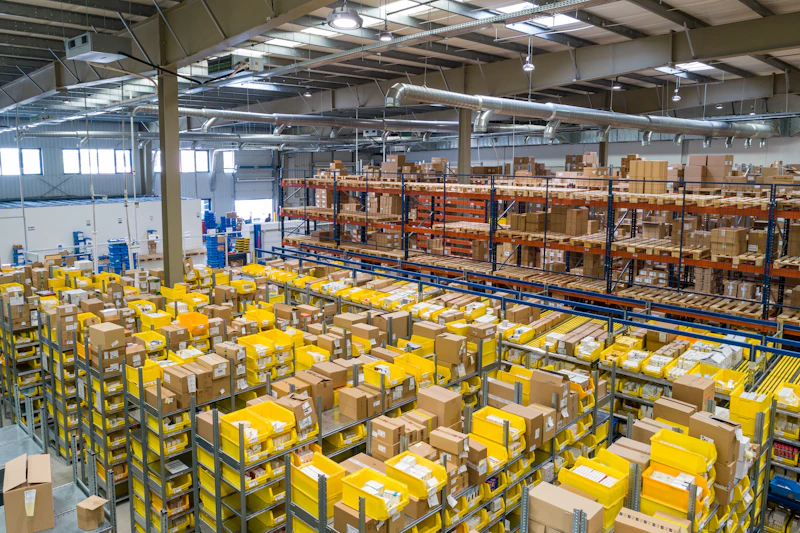
Where to Start with Workflow Automation Basics
You don't need to rip everything out and start fresh. That's a common misconception. Start small, identify your biggest pain points. My advice? Grab a coffee, sit down with your team, and map out your current processes. Where are the delays? Where are the errors? What takes the longest?
**Common Areas for Initial Automation:**
1. **Receiving & Putaway:** Instead of manual data entry, use scanners that integrate directly with your WMS. When a PO comes in, the system knows what to expect. Scan the item, and it suggests a putaway location based on intelligent rules (Velocity, FIFO, etc.). SprintWMS excels at this, trust me. 2. **Order Picking:** Instead of paper pick tickets, move to handheld scanners or even voice picking. It guides the picker directly to the item, verifies the pick, and updates inventory in real time. We’ve seen pick rates jump 20-30% just from this one change. 3. **Packing & Shipping:** Generate labels and manifests automatically based on the picked order. Integrate with your carriers. This eliminates human error in typing addresses and ensures you're always using the right rate. Plus, it speeds up carrier pickups like crazy. 4. **Inventory Control:** Forget counting everything by hand once a year. Implement cycle counting, where the WMS directs counts for specific locations or items. Or, use RFID technology if your budget allows for continuous, near-perfect inventory. This is fundamental to **workflow automation basics**.
Choosing Your Tools: Don't Overcomplicate It
There's a ton of tech out there. ERPs, WMS, TMS, robotics, AGVs. It can be overwhelming. But for basic workflow automation, you primarily need a robust WMS. It’s the brain of your warehouse, connecting the dots.
I've implemented everything from off-the-shelf to custom-built systems. A good WMS, like SprintWMS, will have a solid foundation for automating these workflows. It’s about leveraging the system's capabilities to remove the manual touches.
We had a client struggling with their returns process – a total mess, taking days to process. After implementing a WMS with integrated returns management that automated the inspection and putaway directions, they cut processing time by 60% and got merchandise back on the shelf faster, minimizing revenue loss. That's the power of understanding **workflow automation basics** and applying them thoughtfully.

The Human Element: Training is Key
Here’s a critical point many managers miss: automation isn't about replacing people. It's about empowering them. When you introduce new automated workflows, you *have* to train your staff properly. Explain *why* you're doing it, show them the benefits, and get their buy-in. I've seen perfectly good systems fail because management didn't communicate or provide adequate training. They thought the software would magically fix everything. It doesn't. Your team makes it work.
And listen, sometimes the biggest hurdle isn't the technology, it's resistance to change. You've got to manage that. Show them how their job becomes less tedious, more strategic. That's key for successful adoption of **workflow automation basics**.

Wrapping It Up: Get Started Today
So, if you're still drowning in paper, dealing with constant inventory discrepancies, or hearing your team groan about repetitive tasks, it's time to dig into **workflow automation basics**. Don't wait. Start small, identify your biggest headaches, and leverage technology like a solid WMS to make a real difference. Your bottom line, your team, and your customers will thank you for it.
Ready to stop wasting time and money on manual tasks? Let's chat. I can help you figure out where to start with your **workflow automation basics** and how a system like SprintWMS can transform your operations. Reach out for a consultation or a demo today. You'll be glad you did.